Home / Gear & Training Gear & Training Tips

What Held Up. What Failed By Mile 18.

Real gear scoop and training tips from people who actually raced in it. Some of what you see here involves a partner or an affiliate link. When it does, we say so right next to it, and we never run an ad as if it were a review.

Gear & What To Buy

What Actually Held Up.

Accessories only, we're building our own apparel so we're not pushing anyone else's shirts and shorts. Real links, real price tiers, beginner through advanced. Used something that held up, or something that fell apart? Send it to us and we'll add it.

Shoes

Shoes

Break in race day shoes at least three weeks out. What's actually earning race day miles right now, by race type.

Best for HYROX: Saucony Endorphin Pro 5 (all-around top pick, speed plus sled grip, ~$225), HOKA Mach 7 (springy, best traction we found, ~$140), Puma Deviate Nitro 3 Elite (grippiest outsole), Adidas Dropset Elite (built specifically for hybrid athletes, ~$160).

Best for racing (carbon plate, advanced/PR chasers): Nike Vaporfly 4 and Alphafly 3 (~$260-285), Adidas Adios Pro Evo, Puma Fast-R 3, Asics Metaspeed Sky Tokyo. Race day only, most won't survive regular training miles.

Best for beginners: Nike Revolution 8 (~$70, budget entry point), Hoka Clifton 10 (roomy toe box, podiatrist-recommended, forgiving for new runners, ~$145), Altra Experience Flow 3 (neutral, natural stride, good if you're not sure what foot type you are yet).

Where to buy: Road Runner Sports and Fleet Feet both let you get fitted in person, Road Runner gives you 60 days to decide (90 with VIP), Fleet Feet gives you 30 and will price-match. REI works if you're already a member. Also check the brand's own site, more sizes, first-order discounts, direct defect handling.

Socks

Socks

Blisters end more races than bad training does. Cheap insurance against something completely preventable.

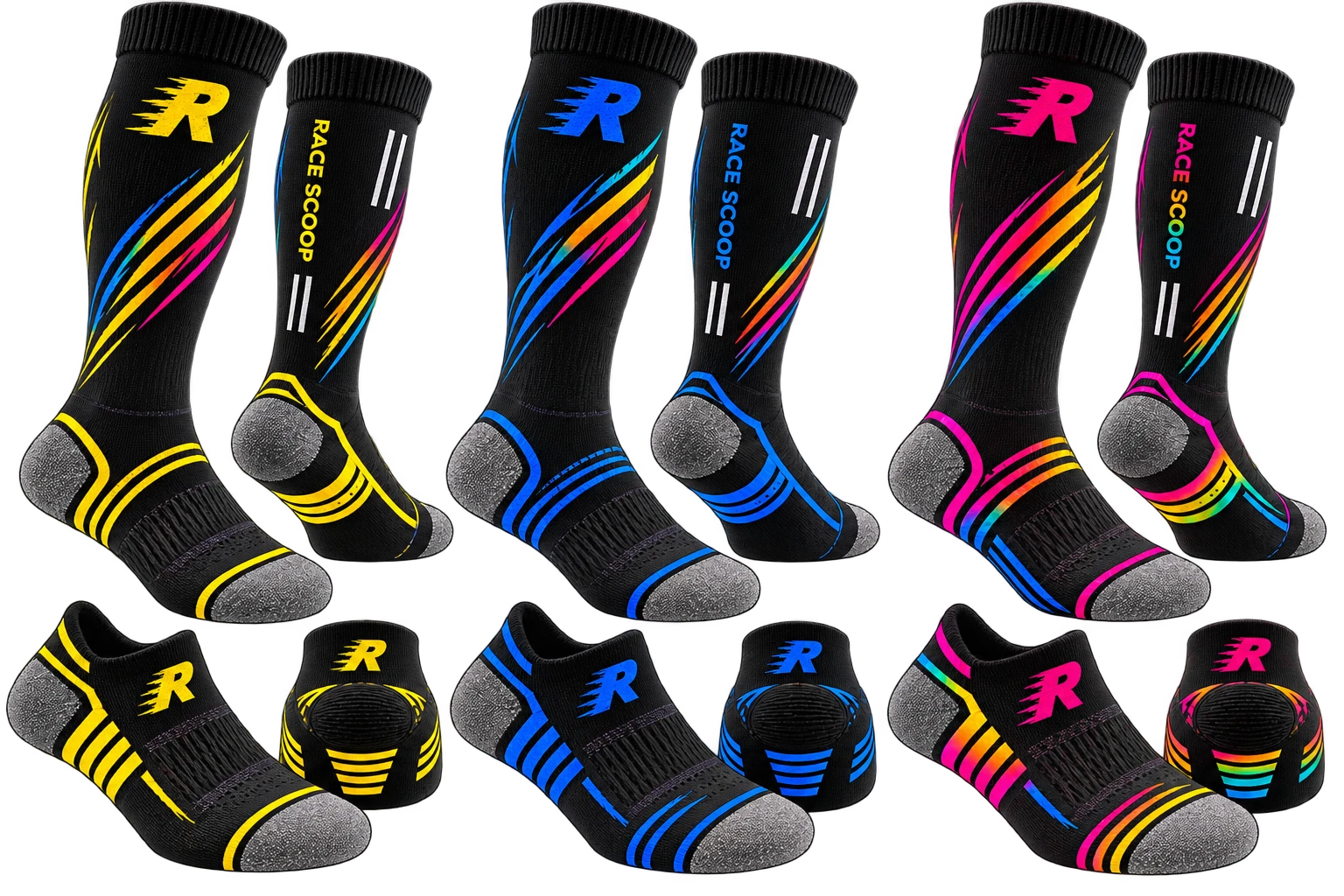
Our pick: Feetures. Self-titled "America's #1 Running Sock," built with targeted compression and an anatomical, left/right-specific fit instead of a generic tube sock. Six heights to choose from (Invisible, Tab, Quarter, Mini Crew, Crew, Knee High) and cushioning from Ultra Light up to Max, so you can actually dial in how much sock you want between your foot and the pavement. They back every pair with a lifetime guarantee, if they wear out or just aren't your thing, they'll make it right.

Disclosure: this may be an affiliate link. If you buy through it, The Race Scoop may earn a commission at no extra cost to you.

Hydration Vests

Hydration Vests

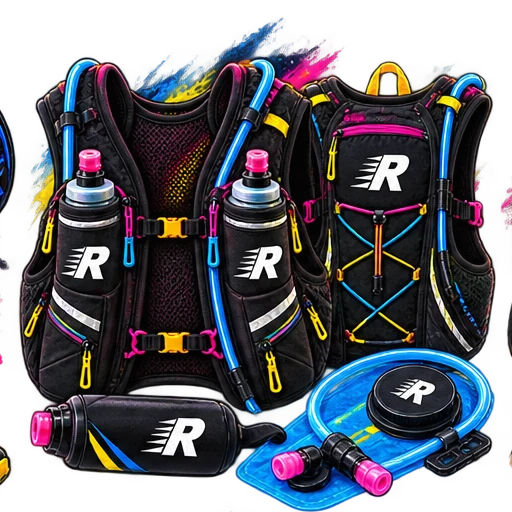
Great for HYROX training, ultras, and long unsupported runs. Overkill for a road marathon with aid stations every mile. By tier:

Beginner (~$70-95): CamelBak Circuit (simple, big pockets, 1.5L bladder, easiest to figure out on your first long run), Nathan QuickStart 3.0 (4L, comes with the reservoir included).

Mid-range (~$95-150): Nathan VaporAir (light, good if you're not carrying much beyond a phone and a flask), UltrAspire Alpha (close fit, good for shorter faster efforts).

Advanced / ultra distance (~$165-200): Salomon ADV Skin 12 (the standard for a reason, body-mapped, no bounce, holds enough for a full trail day), CamelBak Apex Pro (max gear capacity, race-vest fit).

Compression Gear

Compression Gear

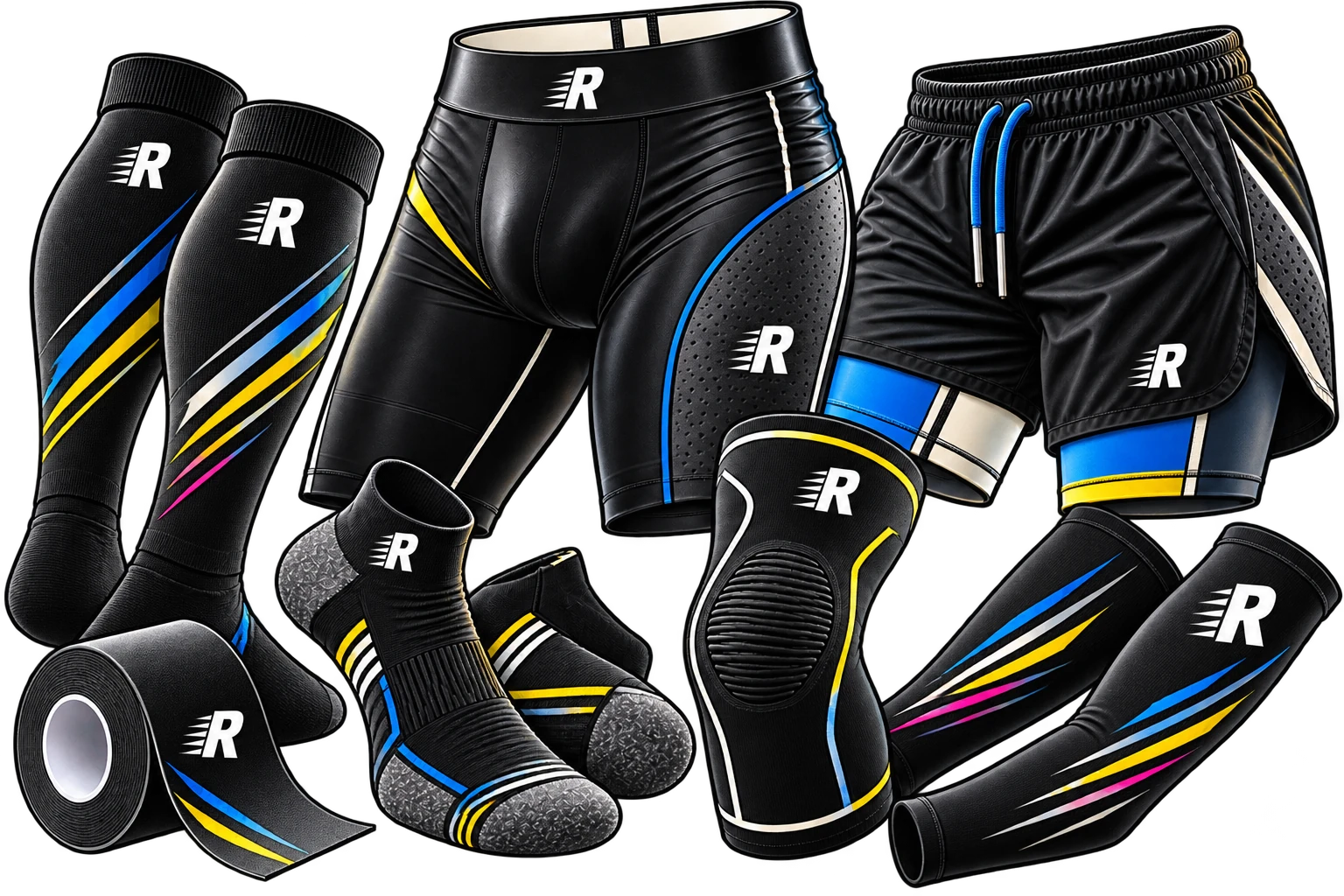
Genuinely helps recovery the next 48 hours by improving blood flow and cutting soreness. Doesn't do a ton mid-race besides look good in photos, which, fair, that counts for something too.

Beginner-friendly: Zensah Compression Socks, affordable, easy entry point, good for travel days and long car rides to a race too.

Mid-range: 2XU Compression Socks, built specifically for running and recovery.

Advanced / serious training blocks: CEP Compression calf sleeves, medical-grade 20-30 mmHg, German-engineered. Put them on within 30 minutes of finishing for the biggest recovery benefit, wear 2-4 hours after a hard effort.

GPS Watch

GPS Watch

Course GPS drifts in cities with tall buildings, trust the course markers over the watch. Here's the real pick by level.

Beginner (~$200-250): Garmin Forerunner 55 (simple, focuses on the fundamentals), Garmin Forerunner 165 (grows with you as training gets more serious).

Mid-range (~$350-450): Garmin Forerunner 970, strong balance of features, look, and price for someone training seriously for their first marathon or HYROX.

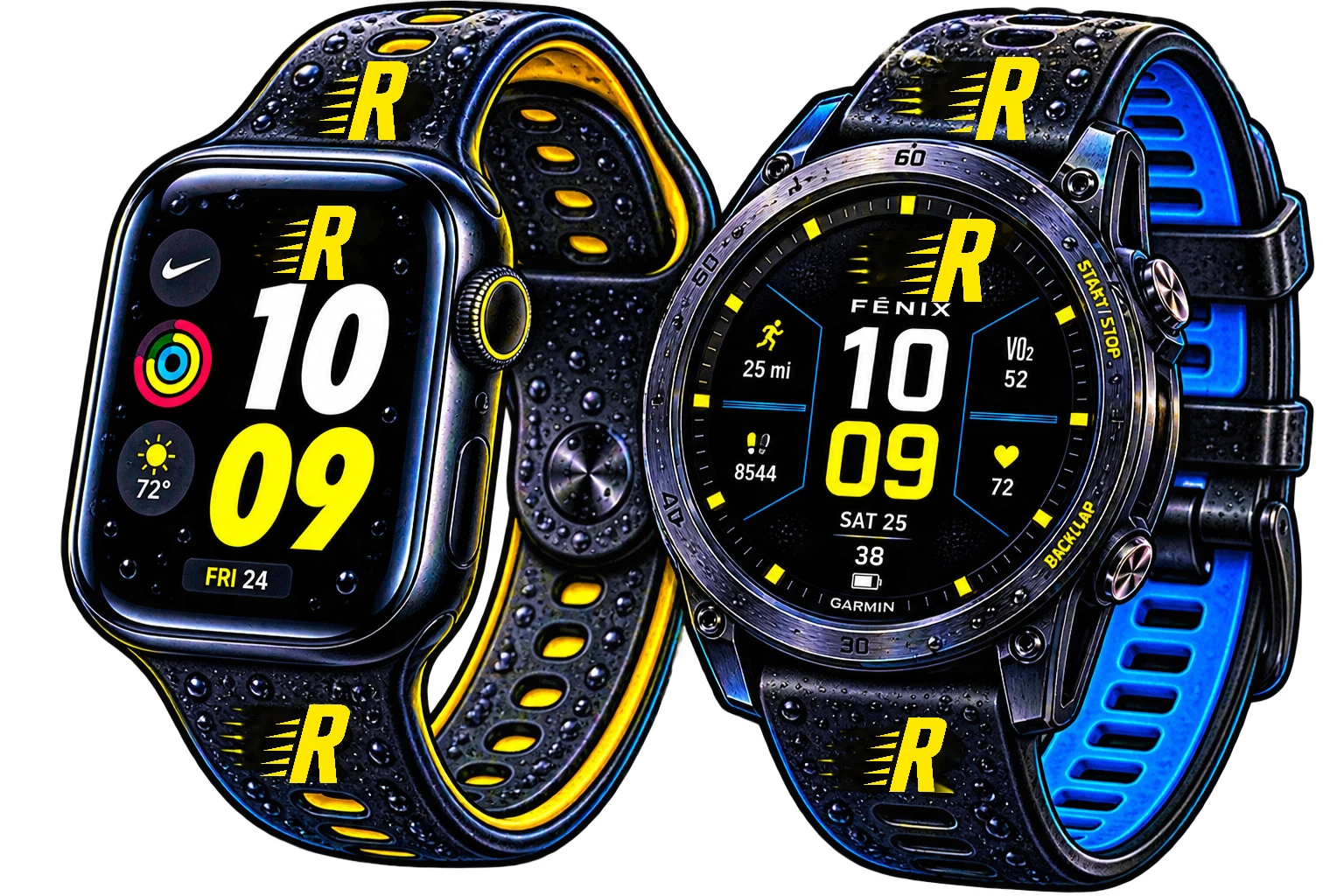
Advanced (~$800-1,200): Apple Watch Ultra 3 (~$799, rugged, satellite connectivity, best if you're already living in the Apple ecosystem), Garmin Fenix 8 Pro (~$900-1,199, training readiness, stamina and endurance scoring, multi-sport transitions for triathletes, the deeper training tool).

Garmin's edge across the board: VO2 max, training load, recovery time, and multi-day battery (14-28 days vs. Apple Watch's daily charge). Apple Watch's edge: it's a genuinely great everyday smartwatch too, texts, apps, payments, one device for your whole life.

Anti-Chafe

Anti-Chafe

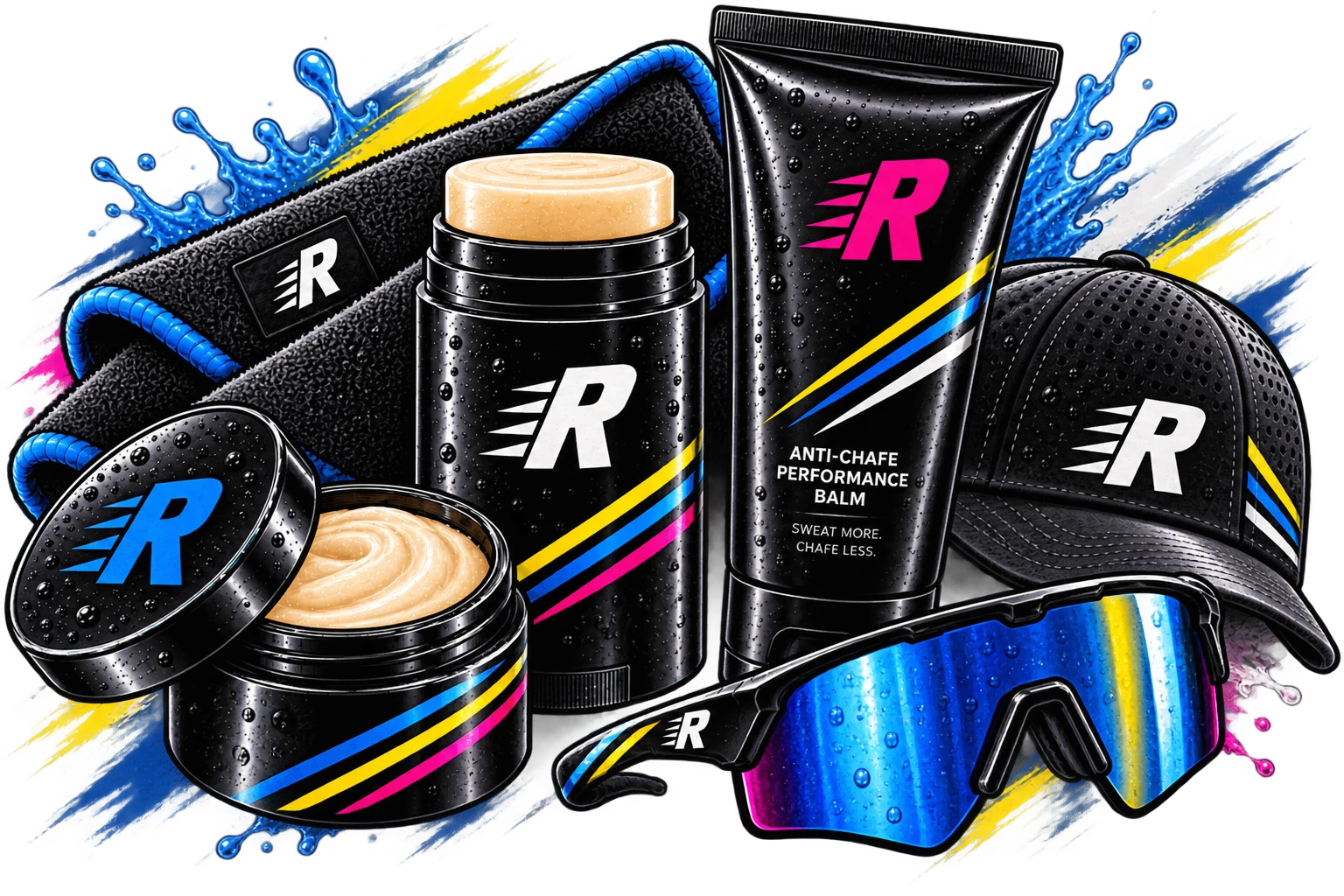
Body Glide (~$9, drugstore-accessible) or Squirrel's Nut Butter (~$14, holds up better in heat), not vaseline, in humid conditions vaseline moves. Reapply at the halfway point if the race is long enough to have one.

Throwaway Layers

Throwaway Layers

Cheap sweatshirts from a thrift store beat your good gear at the start corral. You will not want it back after mile 3. Skip buying anything new here, this is the one category where beginner and advanced athletes should spend the same amount: as little as possible.

Prices are approximate and shift with sales and model years, always confirm current price on the brand's own site before you buy.

Training Tips and Community Training Tips

From The Vets Who've Survived It.

Pick your race, get tips specific to it, not a generic 18-week PDF plan. Like a tip, drop a comment, or add your own scoop.

Taper Week Anxiety Is Normal

Every ache feels like an injury during taper. It's usually not. Trust the training block you already put in.

Practice Race Morning Fuel

Never eat or drink anything on race morning you haven't already tested on a long training run. This is not the day to experiment.

Even Split Beats A Fast Start

Adrenaline and a downhill first mile will lie to you. Going out 20 seconds per mile too fast in the first 5K is exactly how you fall apart at mile 20. Run the pace on your watch, not the pace of the crowd around you.

Know Your Corral Wait

Big city marathons can have you standing in a corral for 30-60 minutes before your wave even starts. Dress warmer than you think, wear a throwaway layer, and use the porta potty line before you enter your corral, not after.

HYROX Needs Sled Practice

You can run all you want, if you've never pushed or pulled a loaded sled before race day, that station will humble you specifically. No amount of running substitutes for it.

Train The Compromised Run

HYROX is 8 stations with a 1km run between each one, so you're always running on legs that just did something else. Train runs directly after strength work, not just runs on fresh legs.

Learn The Station Order Cold

Ski erg, sled push, sled pull, burpee broad jumps, rowing, farmers carry, sandbag lunges, wall balls, always in that order. Knowing what's coming next means you can actually pace yourself instead of guessing.

Grip Strength Wins More Than Speed

Monkey bars, rope climbs, and rig obstacles at both Tough Mudder and Spartan are grip-strength tests first. Dead hangs and farmer carries in training matter more than extra miles.

Do The Math On The Burpee Penalty

At Spartan, skipping a pass/fail obstacle costs 30 burpees on the spot. If your grip is going to give out on the rig anyway, decide before you're standing there gassed whether the obstacle or the burpees cost you less time.

Cold Water Is A Different Kind Of Training

Arctic Enema at Tough Mudder and the water obstacles at Spartan are a genuine shock to your system, not just "cold." If you can, practice a cold plunge or cold shower beforehand so race day isn't the first time your body panics.

Ironman Is A Logistics Sport Too

Transition practice matters as much as swim or bike fitness. Know your bags, know your racks, walk the transition area before race day.

Practice The Open Water Swim Start

A mass open water start with a hundred other swimmers kicking and grabbing is nothing like a quiet pool lane. Get in open water in your wetsuit before race day so the chaos isn't a surprise.

Brick Workouts Are Non-Negotiable

Your legs feel like lead the first mile off the bike no matter what. The only way to make that less awful on race day is to train bike-to-run bricks regularly, not just bike days and run days separately.

Power Hike The Climbs, Don't Fight Them

Trying to run every uphill in a 50-miler is how you blow up your legs by mile 20. Every elite ultrarunner power hikes the steep stuff, save the running for terrain where it actually pays off.

Train Your Stomach On Real Food

Ultra aid stations serve boiled potatoes, quesadillas, and flat soda, not just gels. If your long runs are gel-only, your stomach won't know what to do with real food at hour 14. Practice eating actual food on the move.

Run With Your Headlamp Before Race Night

If your race has a night section, do at least one training run in the dark with the exact headlamp you'll race in. Depth perception on technical trail is different at night, find that out in training, not at mile 60.

Sight Every 6-8 Strokes, Not Every Stroke

Popping your head up to sight on every single stroke kills your rhythm and tires your neck out fast. Build a pattern in training, breathe, sight, breathe, breathe, sight, so it's automatic by race morning instead of something you're thinking about at stroke 400.

Get In Open Water Before Race Day

Pool swimming and open water are not the same sport. No lane lines, no wall to push off, chop, current, and other swimmers' arms and legs everywhere. If your race isn't in a pool, at least one training swim needs to be in open water, not just more laps at the Y.

Practice Your Wetsuit Strip

A wetsuit that felt fine standing on the beach can feel like a full-body panic the second you're vertical in the water. Swim in it before race day, and practice getting it off fast at the swim exit, wetsuit strippers or not, fumbling with a zipper costs real time.

Find A Hip Or A Feet To Draft Off

Swimming just off another swimmer's hip or feet can genuinely save you energy over a long open water course, the same way drafting works on a bike. Line up near swimmers around your pace at the start and look for a line to tuck into once the field settles.

Dial In Your Fit Weeks Before, Not Race Week

Saddle sores, numb hands, and a sore back at mile 40 are almost always a fit problem, not a fitness problem. Get your position sorted on long training rides well before race day, race week is not the time to discover your saddle is wrong.

Practice Eating While You're Actually Riding

Fueling on the bike is different math than fueling on foot, longer time on course usually means more total calories and more real food, not just gels. Practice grabbing food from a jersey pocket and eating one-handed at speed before you need to do it for the first time mid-race.

Ride The Actual Terrain, Not Just The Miles

Training on smooth pavement doesn't prepare your hands, shoulders, or bike handling for a gravel or mixed-surface course. If race day has washboard, loose gravel, or technical descents, get time on terrain that matches it, mileage on the trainer alone won't teach you that skill.

Practice A Flat Change Under Time Pressure

Know how to change a flat and use your CO2 or pump before race day, not while you're figuring it out on the shoulder with riders passing you. Time yourself doing it at home a few times so it's muscle memory, not a mid-race crisis.

Nutrition: fuel, hydration, performance, recovery Nutrition

Fuel Like You Mean It.

Click a card for the full scoop. Real fuel talk, no sponsored "this changed my life" nonsense.

The Feed

Your Nutrition Cheat Code Is Called The Feed

Try before you commit to a whole box of anything. Visit thefeed.com →

If you've ever bought a full box of gels because the flavor sounded good and then gagged on it at mile 18, this one's for you. The Feed lets you buy single servings of pretty much every gel, chew, and drink mix on the market instead of committing to a 12-pack of regret. Build a sample pack, run your long runs on it, throw out what your stomach vetoes, then buy in bulk once you know. That's the whole strategy, and it works.

Fuel Scoop

Fuel Recipes For The Road

Simple stuff you can make in your hotel room, not a meal prep production.

Rice cakes with a smear of nut butter and honey, wrapped in foil, survive a carry-on and a time zone change better than anything from a gas station. Dates stuffed with peanut butter and a pinch of salt work as real food mid-long-run fuel. The night before a race, plain rice, a banana, and a little salt beats a giant pasta bowl that just sits there. None of this is fancy. That's the point, race morning is not the time to discover a new ingredient.

More Nutrition On The Road

Energy Gels, Decoded

Sugar-based versus isotonic versus real-food chia, and why it actually matters mid-race.

Standard gels (Gu, Honey Stinger) are sugar-dense and need water to go down easy. Isotonic gels (Maurten, Precision) are already diluted to match your body's fluid balance, so they sit better without chasing water, which matters when the aid station is still a mile out. Caffeinated gels are great for mile 20, terrible for your sleep if you take one during a 6pm training run. Test all of it in training. The race is not the place to find out your stomach has opinions.

The real-food option: Huma. Huma's gels are built around chia seed instead of straight sugar syrup, chia's natural gel-like consistency once it absorbs liquid is the whole trick, it slows the sugar hit down so you don't get the spike-then-crash a standard gel can cause. Ingredients read like actual food: fruit puree, chia seed powder, brown rice syrup. Non-caffeinated flavors include Strawberry, Apple Cinnamon, Blueberry, and Mango, caffeinated flavors (25mg, roughly a quarter cup of coffee) include Raspberry, Lemonade, and Chocolate, plus a Mocha option with 100mg if you need the real jolt late in a race. Gluten-free, dairy-free, vegan. If standard gels sit heavy in your stomach, chia-based is worth testing on a long run before you commit to it on race day.

More Nutrition On The Road

When A Gel Isn't Enough, Reach For A Bar

Real food, more calories, more chew, and a break from sucking down syrup for six hours straight.

Gels are built for speed, in and gone in a few seconds, which is exactly why they stop working for you somewhere past the two or three hour mark. Your stomach gets tired of straight sugar syrup, and on a long training day or an ultra you need something with more substance to keep your energy level from crashing. That's where a granola or energy bar earns its spot in the vest pocket, more calories per serving, real chew, some fat and fiber alongside the carbs, and a mental break from another packet of goo.

Look for one built for endurance, not a general snack-aisle granola bar loaded with chocolate chips and not much else. Clif Bar is the category standard, oats, real fruit, enough calories to actually matter mid-run. Honey Stinger's waffle and bar options lean sweeter and softer, easier to chew when you're already breathing hard. RXBAR is a solid higher-protein option if you want more than straight carbs, better suited to a long training day than the middle of a race effort.

Test chewing and swallowing while you're actually moving before you commit to one on race day, a bar that's easy to eat standing still can be a lot harder to get down at mile 40 while you're out of breath. Cut it into smaller pieces ahead of time if a whole bar feels like too much in one go.

The Race Scoop × HydraPatch · Proud Partners

Hydration You Wear, Not Just Drink

No mixing, no measuring. Shop HydraPatch, code THERACESCOOP for 25% off →

HydraPatch is a wearable patch. You stick it on your skin like a large adhesive bandage, and instead of mixing a powder into a bottle or timing sips against a schedule, you apply it once and leave it alone while you train, race, or get through a long travel day.

How it is meant to work, per HydraPatch: the patch is built on their patent-protected transdermal delivery technology, and it is designed to deliver electrolytes through the skin rather than through your gut. Those are the company's claims about their own product, not a Race Scoop test result, and nothing here is medical or nutritional advice. If you have a condition that affects hydration or electrolytes, that is a conversation for your doctor, not a website.

Where it fits, in our experience: it is not a replacement for drinking. It has never been sold to us as one and we would not tell you it was. We still drink water and we still use electrolyte drinks. What the patch has actually done for us is take one thing off the list on a race weekend, the part where you are running around an expo, then a shakeout, then dinner, and you look up at 9pm and realize you have had almost nothing to drink all day.

Straight up: we are proud partners with HydraPatch, and this is us telling you to buy something. We are telling you anyway, because it solved a real problem for us. You should still weigh it the way you would weigh any recommendation that comes with a discount code attached.

From HydraPatch's own product information: zero sugar, zero calories, zero caffeine, Informed Sport Certified, and made in the USA. Informed Sport is a third-party banned-substance testing program, which matters if you compete anywhere that drug-tests. Verify the current certification on their site before you rely on it for a sanctioned event, since certifications get renewed batch by batch.

Shop HydraPatch, use code THERACESCOOP at checkout for 25% off your order.

Disclosure: The Race Scoop is a partner of HydraPatch and the THERACESCOOP code is part of that partnership. This is partner content, not an independent review.

Recovery Scoop

Rest Is Part Of The Plan.

Hydration, sleep, and rest days aren't the days off from training, they're the days that make the next hard session possible.

Hydration before the gun: Most people only think about hydration once they're on course, but the prep happens days out. Drink normally, plus a little extra, for the 24-48 hours before a big effort, and add electrolytes the morning of. Show up already topped off and you're not trying to chug your way out of a deficit once the gun goes off, which means less frantic drinking at every aid station and fewer bathroom stops eating into your time on course. Showing up dehydrated means you spend the first few miles playing catch-up instead of just running.

Hydration during and after: Everybody remembers to drink during a long run. Almost nobody keeps drinking after they stop, and that's the other half of the mistake. You're still sweating out fluid for hours after you cross the finish line or rack the sled, your body just isn't asking for water as loudly anymore because the effort's over.

The commonly cited sports-science guideline is to rehydrate with roughly 1.5 times the fluid weight you lost in sweat, not a 1:1 replacement, because you keep losing fluid through urine and sweat for a while after you finish. Weigh yourself before and after a hard training session if you want a real number for your own sweat rate, most people are surprised how much they actually lose.

Practically: don't stop at one bottle of water post-race, keep sipping through the next several hours, add electrolytes if it was hot or you were out there a long time, and use the color of your next bathroom trip as a rough gut-check, pale straw is the target, dark yellow means keep drinking.

Sleep and rest days: Training doesn't make you fitter. Training breaks you down, and rest is where the actual adaptation happens, muscle repair, glycogen restocking, and the nervous system resetting so you can hit the next hard session at full output instead of half-charged. Skip that part consistently and you're not being disciplined, you're just accumulating fatigue until your body forces the rest on you anyway, usually as an injury or a plateau you can't train your way out of. Sleep is the single biggest lever you have, most endurance and hybrid athletes in hard training blocks need more than the standard 7-8 hours, not less.

Active recovery and mobility: A rest day isn't a guilt day. An easy walk, gentle mobility work, a light spin, keeps blood flowing without adding load. And if a scheduled hard workout feels off because you're still beat up from the last one, moving it is a training decision, not a failure. The athletes who stay healthy through a full training block are usually the ones who treated rest, hydration, and mobility like sessions on the calendar, not afterthoughts, so the body is actually ready for the next hard effort instead of running on borrowed legs.

General performance guidance, not medical advice, if you have a health condition that affects fluid, electrolyte balance, or sleep, check your recovery plan with a doctor or sports dietitian.


Fuel Scoop

Feed Your Muscles Before You Feed Your Sweet Tooth

Protein timing after a workout, and why what you eat first thing in the morning matters more than you think.

The old "30-minute anabolic window" rule has been walked back by more recent sports nutrition research, your muscles stay receptive to protein for longer than that. But the general shape of the advice still holds: getting roughly 20-30 grams of protein into your system within a couple hours of a hard effort supports muscle repair and recovery better than waiting until your next regular meal, especially after a long run, a heavy lift day, or HYROX-style training that beats up multiple muscle groups at once. Pair it with some carbs to restock glycogen, chocolate milk, a protein shake with fruit, or a real meal if you can get one in.

Same logic applies first thing in the morning, and this one surprises people. Going straight for something sugary on an empty stomach, a pastry, juice, cereal, spikes your blood sugar fast, then drops it hard, which is a big part of that mid-morning crash. Having some protein first, eggs, Greek yogurt, a protein shake, before or alongside anything sweet blunts that spike because protein slows how fast sugar hits your bloodstream. It's a small habit change with a real effect on how steady your energy feels through a training day.

General performance nutrition guidance, not medical advice. If you're managing diabetes or another condition tied to blood sugar, work with your doctor or a registered dietitian on specifics.